Overview of the Cuban missile Crisis
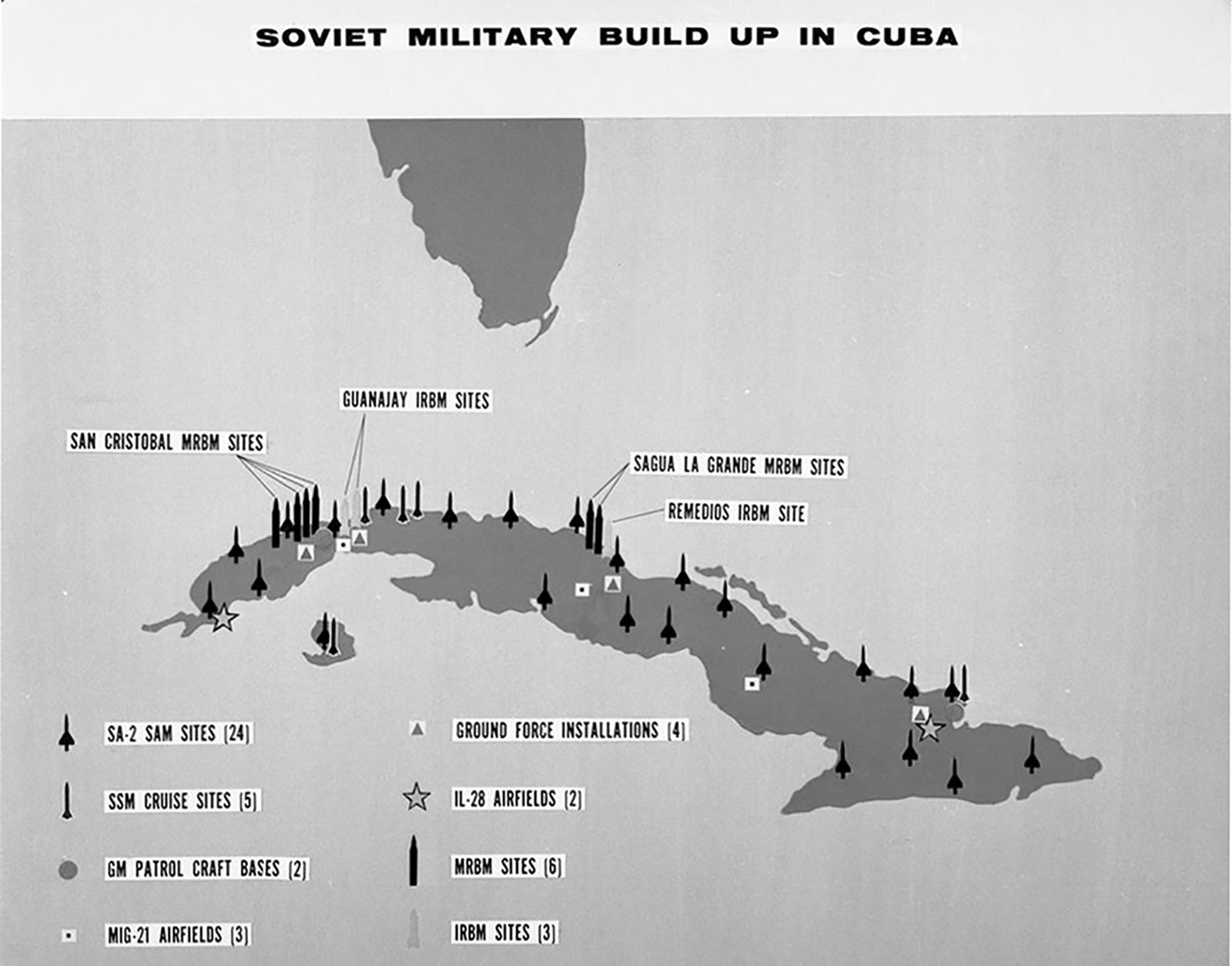
Soviet military buildup in Cuba.
Credit: Encyclopædia Britannica
The launch of the crisis
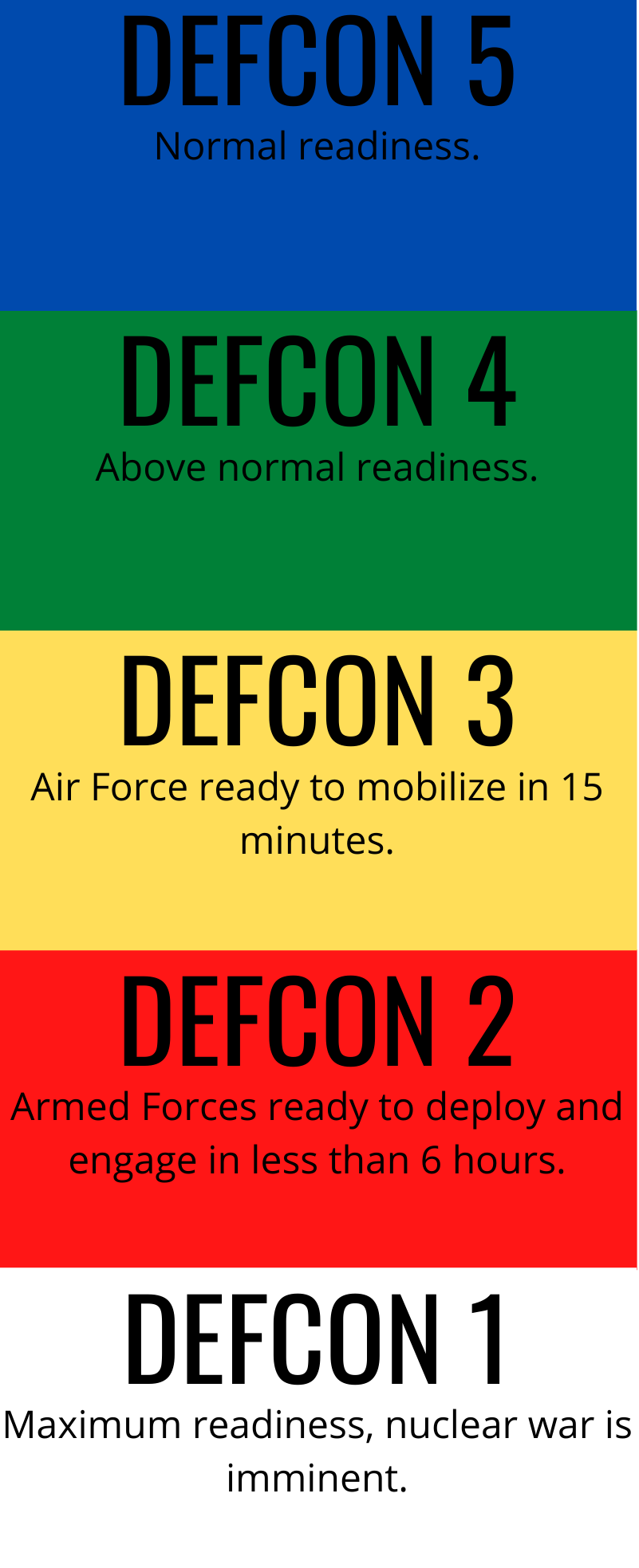
On October 14, shortly after the first missiles arrived in Cuba, a US manned U-2 aircraft took pictures of Cuba, clearly showing construction sites for Medium and Intermediate range missiles. The United States was not pleased and went straight into an emergency meeting. In this meeting, President Kennedy decided that they would make a naval "Quarantine". They used the word Quarantine, as a full blockade would have been considered an act of war. This "Quarantine" would prevent any ships with missiles from arriving in Cuba, but ships with items like food would be allowed to pass through. Khrushchev was furious and declared the blockade an act of aggression. The tensions drove the United states to move to DEFCON 2, the second highest level of defense readiness.
"I must tell you that the United States is determined that this threat to the security of this hemisphere be removed. At the same time, I wish to point out that the action we are taking is the minimum necessary to remove the threat to the security of the nations of this hemisphere. The fact of this minimum response should not be taken as a basis, however, for any misjudgment on your part."
- Taken from a letter from President Kennedy to Khrushchev.
John F. Kennedy addressing the nation on the missiles in Cuba.
averting the crisis
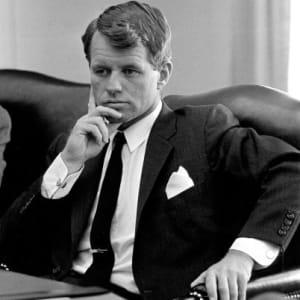
With a series a letters going around from Kennedy, Castro, and Khrushchev, a lot was happening at the end of the crisis. The first thing to happen was John Scali, an ABC correspondent, ate lunch with Alexander Feklisov who said the Soviet Union wanted to set up a deal with the United States. This led to Khrushchev sending a letter to Kennedy saying if they promise to not invade Cuba, they would remove their missiles from Cuba. But of course, it wasn't that simple. What actually ended up happening was Robert Kennedy the President's younger brother met up with Anatoly Dobrynin. They made one of the most diplomatic deals in history. The deal said that if the United States removed their missiles from Turkey and Italy and promised not to invade Cuba, the USSR would remove their's from Cuba. The deal went through and both parties executed their end of the deal. Following this, the naval blockade was lifted, marking the end of the crisis.
two key moments
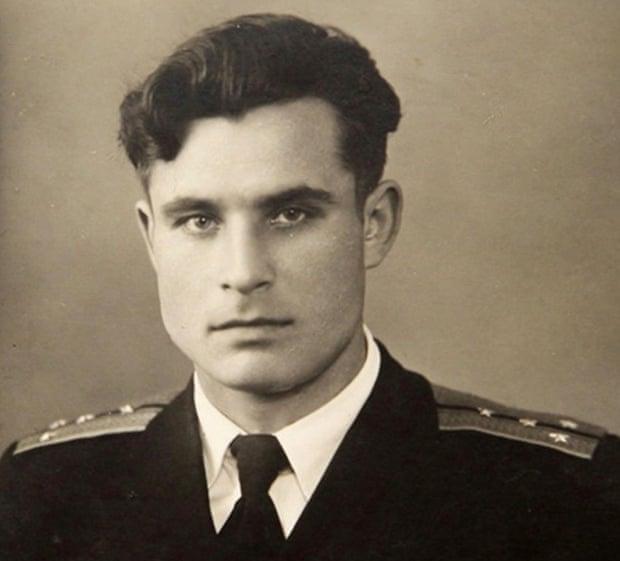
A picture of Vasily Arkhipov.
Credit: The Guardian
vasily arkhipov saves the day
On October 26, a Russian B-59 nuclear submarine was situated deep down in the ocean, too deep for anyone to communicate with the ship. The ship was situated underneath the American blockade, so American ships dropped charges to try to get the ship to the surface. What they didn't realize is the submarine had orders that if it were attacked by depth charges or surface fire, it was supposed to launch one of it's nuclear torpedos. The captain on the ship thought war might have already begun, so he readied the torpedo for launch. In order to launch, the torpedo required three officers on board to agree, but Vasily Arkhipov did not, so the torpedo was never launched, saving the day.
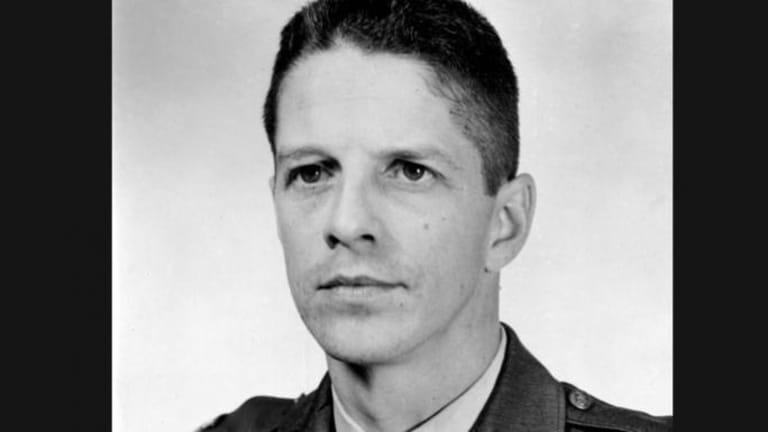
A picture of Major Rudolf Anderson.
Credit: History.com
major rudolf anderson is shot down
On October 27, Major Rufolf Anderson was flying a U-2 aircraft on a basic non-violent reconnaissance mission when he was shot down by Cuban forces. What ended up happening was "The Joint Chiefs of Staff reported that they were ready to launch an invasion of Cuba within twenty-four hours." - Gale in Context. Luckily the US decided not to proceed with the invasion because RFK had already started working with the Soviet Union on a peace deal and Cuba had no way of knowing if he had aggressive intentions.
Short video on the crisis
defcon chart